
From our workshop
How we monitor our own deployments and what other people’s outages taught us.

What Should You Monitor on a Website and Application? A Practical Checklist from Uptime to Errors and Performance
Uptime is just the beginning. Errors, SSL, response time, and performance reveal much more about your website's health. See what to monitor to detect problems earlier.
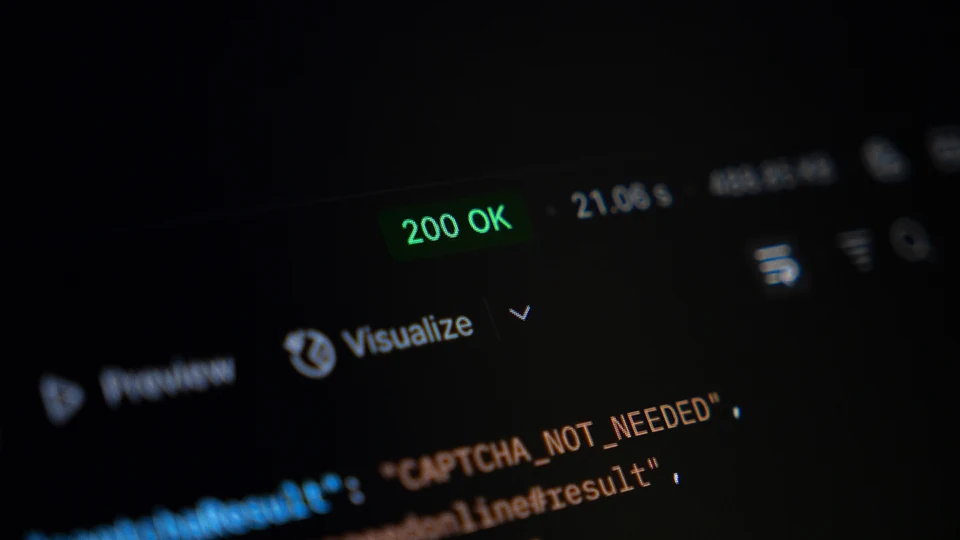
HTTP 200 Doesn't Mean Your Application Is Working. What Should Monitoring Really Check?
HTTP 200 doesn't always mean everything is working. Your store may not accept orders, login may fail, and your API may be too slow. Learn why uptime monitoring alone isn't enough.
Why Fixed Alert Thresholds Don’t Work for Error Monitoring
The same error threshold can represent a normal day for a large online store and a serious outage for a small application. That’s why effective alerts should take each project’s typical error rate into account.

An Expired SSL Certificate Is One of the Easiest Outages to Prevent
An expired SSL certificate is not an unpredictable outage. Its expiration date can be checked in advance, giving you plenty of time to take action.

How Much Error Data Do You Really Need for Application Monitoring?
Not every piece of information needs to be stored for years. In monitoring, it’s worth separating detailed data needed for debugging from long-term statistics.

Why Is Monitoring an Online Store Important?
An online store outage, an expiring SSL certificate, or a drop in performance can go unnoticed for a long time. Online store monitoring helps you regularly check its health and respond quickly when a problem occurs.
Start Monitoring
Connect your first application and get full visibility into what’s happening in production.